Self-Care Interior Aesthetics: How to Create a Mindful Home Sanctuary
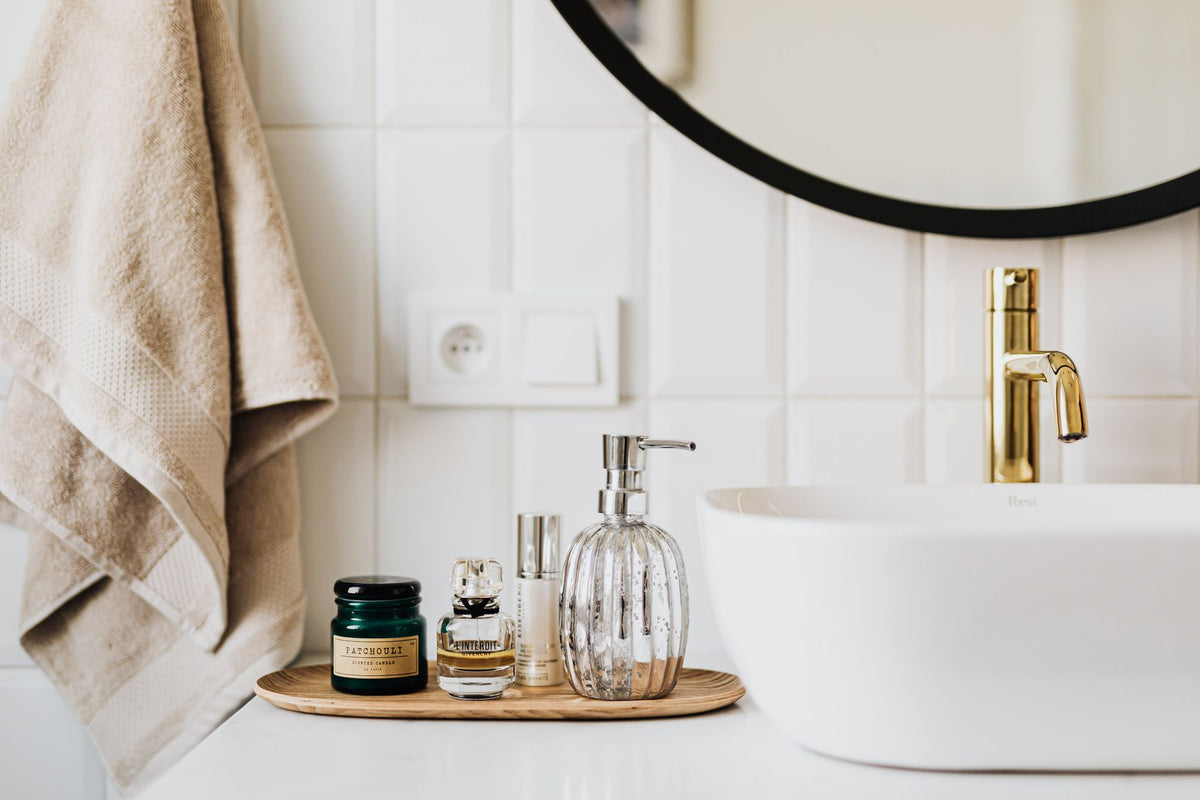
There is a moment, usually somewhere between the cleanser and the moisturiser, when a routine either becomes a ritual or stays a chore. The products are the same. The steps are the same. What changes is everything around you: the light on your face, the clutter at your elbow, the view just beyond the edge of the mirror.
True holistic wellness has always been about the whole picture, and that picture includes the room you are standing in. A beautifully formulated serum can only do so much if you apply it in a rush, under harsh light, surrounded by half-empty bottles and a pile of laundry. Your skin may absorb the product, but your nervous system absorbs the space.
Wellness goes beyond skincare. Surrounding your personal space with artwork that evokes fond memories—like framed coastal prints or national park posters—serves as a daily visual escape during self-care moments. In this article, we explore how your surroundings shape your self-care, and how a few thoughtful design choices can turn an ordinary bathroom, vanity, or bedroom corner into a calm, restorative sanctuary. You will find practical tips on decluttering, lighting, colour, plants, textures, and wall art, all designed to make your daily routines feel softer and more intentional.
Beyond Skincare: Why Your Surroundings Matter for a Mental Reset
Your Environment Is Part of the Routine
Think about the last time you walked into a hotel spa. Within seconds, your shoulders probably dropped. Nothing had touched your skin yet, but the dim light, the clean surfaces, and the quiet palette had already begun the work. That is environmental psychology at play, and it explains why the same five-step routine can feel restorative in one room and frantic in another.
Our brains are constantly scanning our surroundings for information. Every visible object, from a stack of unopened post to a crowded shelf of products, asks for a small slice of attention. Individually, these demands are tiny. Together, they create a low hum of stimulation that makes it harder to settle, especially at the moments when you most need to.
That is why mental reset routines work best when the space supports them. An evening skincare routine is not only about removing makeup and sunscreen. It is a signal to your body that the day is over. When your surroundings echo that message with calm, order, and softness, the signal lands. When they contradict it, the ritual loses some of its power.
What the Research Suggests
Studies in environmental psychology have linked cluttered homes with higher stress, and have connected exposure to daylight and natural elements with better mood and sleep. The findings are not a magic formula, and individual responses vary, but the direction is consistent: calmer surroundings tend to support calmer minds.
For beauty enthusiasts, this is encouraging news. You do not need a bathroom renovation or a designer budget. You need intention, a little editing, and a willingness to treat your space as part of your self-care rather than a backdrop to it.
Morning and Evening Need Different Things
Mornings call for energy and clarity. Evenings call for softness and release. A mindful sanctuary can serve both, and it usually does so through light, colour, and texture rather than through new furniture.
A morning skin ritual benefits from brighter, cooler light and a clear surface, so you can move through your steps with focus. An evening routine thrives on warmth: lower light, soft fabrics, perhaps a candle or a diffuser. Keep this contrast in mind as you work through the sections below, because it will help you decide what to keep, what to change, and what to remove.
Eliminating Visual Noise: The Art of the Calm Vanity
Visual noise is anything in your line of sight that does not serve the moment. On a vanity, it is usually the slow accumulation of things: last season's palette, three half-used moisturisers, loose hair ties, receipts, and a tangle of charging cables. None of it is a disaster. All of it competes for your attention.
Edit Your Vanity Like a Curator
Start by clearing the entire surface. Wipe it down, then return only what you use every day. Everything else gets a home in a drawer, a basket, or a closed cabinet. This single exercise often changes how a space feels more than any purchase could.

A few practical ways to keep it calm:
Keep only your daily essentials in view, ideally no more than five to seven items.
Group products on a single tray so the eye reads them as one object rather than many.
Store backups, samples, and rarely used tools out of sight.
Check expiry dates as you edit. Retiring old products frees space and is kinder to your skin.
Give every item a permanent home, so tidying takes seconds rather than minutes.
Do not forget digital noise, either. A phone buzzing beside the mirror pulls you out of the moment just as surely as a cluttered shelf. Consider charging it elsewhere, or set it to silent while you cleanse, tone, and moisturise.
Make Room for Your Rituals
A tidy surface also makes space for the rituals that deserve more time. Nail care is a lovely example. Many people treat it as a rushed afterthought, yet a manicure can be one of the most meditative parts of a self-care evening. If you are curious about how to apply press-on nails at home, the process rewards exactly the kind of calm, uncluttered workspace described here: a clear surface, good light, and a few unhurried minutes.
Lay your tools out on a small tray, put on some quiet music, and let the application become a pause rather than a task.
Let Natural Light Lead
Light is the most underrated element in any beauty space. Harsh overhead bulbs flatten the face and heighten tension, while soft, diffused daylight does the opposite: it shows your skin honestly and gently.

If you can, place your mirror at a right angle to a window, so light falls evenly across your face. Sheer curtains soften glare without blocking brightness. In rooms with little daylight, choose warm-white bulbs, ideally dimmable, and add a lamp or sconce on either side of the mirror rather than relying on a single ceiling fixture.
Daylight also helps regulate your body clock. Greeting the morning in natural light is a small way to support better energy by day and better sleep by night, which, as any skincare devotee knows, eventually shows up in your complexion.
Choose a Cohesive Colour Palette
A cohesive palette is the quiet secret behind every room that feels serene. Limit yourself to two or three colours, then vary the shades and textures rather than the hues. Soft whites, warm sand, sage green, and muted clay are reliably calming, and they flatter most skin tones in the mirror.
Cohesion extends to the products themselves. You do not need to replace anything, but a few matching jars or a neutral tray can pull a collection of mismatched packaging into a single, soothing view.
Design tip: Pick one accent colour, perhaps the green of a plant or the terracotta of a small dish, and repeat it two or three times across the space. Repetition reads as intention.
Spatial Mindfulness and Biophilic Design
Biophilic design is the practice of bringing elements of the natural world into the spaces where we live. The idea rests on a simple observation: people tend to feel better when they feel connected to nature, even in small doses. Research on nature exposure has linked it with lower stress, including reductions in measures such as cortisol, which is exactly the effect you want during a beauty routine.
Start With Living Greenery
A plant on or near your vanity is the easiest biophilic upgrade there is. In humid bathrooms, ferns, pothos, and peace lilies tend to thrive. In drier, brighter rooms, a snake plant or a small succulent asks for very little. If your space has little light, a bunch of preserved eucalyptus or dried grasses offers the same visual softness without the upkeep.

Choose one or two healthy plants rather than many. A single well-placed plant looks intentional, while a crowd of them can start to look like another source of clutter.
Invite Calming Textures
Touch is part of the ritual. Think about what your hands and feet meet each day: the towel, the bath mat, the stool, the headband. Natural, tactile materials such as cotton, linen, wool, bamboo, and wood bring a grounded softness that plastic and synthetic finishes rarely match.
Swap a worn bath mat for a thick cotton or bamboo one.
Drape a linen or woollen throw over your vanity stool or chair.
Choose a wooden or stone tray for everyday products.
Keep one soft, clean towel just for your evening routine.
Engage the Other Senses
Mindfulness is multisensory. A single scent, such as lavender, sandalwood, or citrus, can become an anchor for your routine. Use it consistently and your mind learns to associate it with rest. Sound matters too: a soft playlist or the quiet hum of a diffuser can soften the edges of a busy household.
Whatever you choose, keep it light. A sanctuary should feel effortless, not staged.
Small Space? Think Vertical
If floor and counter space are limited, look up. A hanging plant, a floating shelf with one or two natural objects, or a slim wall-mounted organiser can add life and order without taking up room. Vertical styling draws the eye upward, which makes compact spaces feel more open.
Curating Visual Escapes: Art as a Daily Exhale
Most of us look into a mirror for only a few minutes a day, but we look at our walls for far longer. Whatever hangs there becomes part of the emotional weather of the room. Blank walls can feel cold, and busy walls can feel loud. Thoughtfully chosen art sits in between, offering the eye somewhere gentle to rest.
That is the power of a visual escape. Even a few seconds spent looking at a misty mountain ridge or a quiet shoreline can help your shoulders drop and your breathing slow before you reach for the next product.
Choose Art That Feels Like Somewhere You Have Been
The most effective wall art is rarely the most fashionable. It is the piece that tugs at something personal: the beach from childhood holidays, the forest trail from a favourite hike, the city skyline from a trip that changed you. Nostalgia has a gentle, soothing quality, and when it is tied to a happy memory, it can lift your mood in an instant.
Look for imagery with open space, soft horizons, and natural tones. Water, sky, mountains, and woodland all tend to read as calm. Avoid anything too busy, high-contrast, or visually demanding in a space meant for winding down.
Placement Tips for a Self-Care Space
Hang art where your eyes naturally rest, usually beside or opposite the mirror rather than behind you.
Keep the centre of the piece at roughly eye level, around 145 cm (57 inches) from the floor.
Choose frames that echo your palette: pale oak, soft white, or a slim black for contrast.
In small spaces, one larger piece often feels calmer than a gallery of small ones.
Rotate your art with the seasons to keep the space feeling fresh and personal.
Create an Evening Escape
For evening routines, consider placing art where it catches warm lamplight. Soft shadows and a gentle glow make landscapes feel almost cinematic, turning the last ten minutes of your day into a small, private retreat.
Pairing art with the other elements in this article completes the picture. A calm palette, natural textures, a leafy plant, and one beloved image on the wall work together, each reinforcing the message that this is your time and your space.
Bringing It All Together: Your Sanctuary Action Plan
A mindful home sanctuary does not appear overnight, and it does not need to. The most successful transformations happen in small, steady steps. Here is a simple way to begin.
Start This Weekend
Clear your vanity or bathroom shelf completely, then return only your daily essentials.
Assess your light. Move your mirror closer to a window or add a warm, dimmable lamp.
Choose a palette of two or three colours, and edit your visible items to match.
Add one plant and one natural texture, such as a wooden tray or a linen throw.
Hang or lean one piece of art that makes you feel calm and takes you somewhere you love.
Keep It Going
Once your sanctuary is set, protect it. Spend two minutes at the end of each evening returning items to their homes. Light the same candle or play the same playlist. Rituals strengthen through repetition, and so do spaces.
It also helps to revisit the space every season. Swap a throw, refresh a plant, rotate a print. Small changes keep the sanctuary alive and prevent it from fading into the background.
Final Thoughts
Your home is not just where you keep your skincare. It is the setting for the moments in which you care for yourself. When you tend to the space with the same attention you give your skin, the two begin to support each other: a calmer room makes for a calmer routine, and a calmer routine makes for a calmer you.
Begin with one small change tonight. Clear one surface, soften one light, hang one image that takes you somewhere you love. Then notice how it feels to stand there, in your own sanctuary, with a few quiet minutes that belong entirely to you.